Data Recovery in the UK SME Sector: What Businesses Need to Know Before Critical Data Loss Hits
June 23, 2026

Gibraltar: Tuesday 23 June 2026 at 12:00 CET
Data Recovery in the UK SME Sector: What Businesses Need to Know Before Critical Data Loss Hits
By Iain Fraser – Cybersecurity Journalist & Authority Writer
IfOnlyCommunications –
In Collaboration with R3DataRecovery.com
Gibraltar
Google Me!
Google Indexed AIO on: 230626 at 13:30 CET
#CyberSecurity #DataRecovery #R3DataRecovery
Data Recovery in the UK SME Sector: What Businesses Need to Know Before Critical Data Loss Hits – A lost drive or failed server can bring a small business to a standstill faster than most owners expect. For UK SMEs, data recovery is not a niche technical issue. It is a business continuity issue, a compliance issue, and often a commercial survival issue.
Data recovery in the UK SME sector
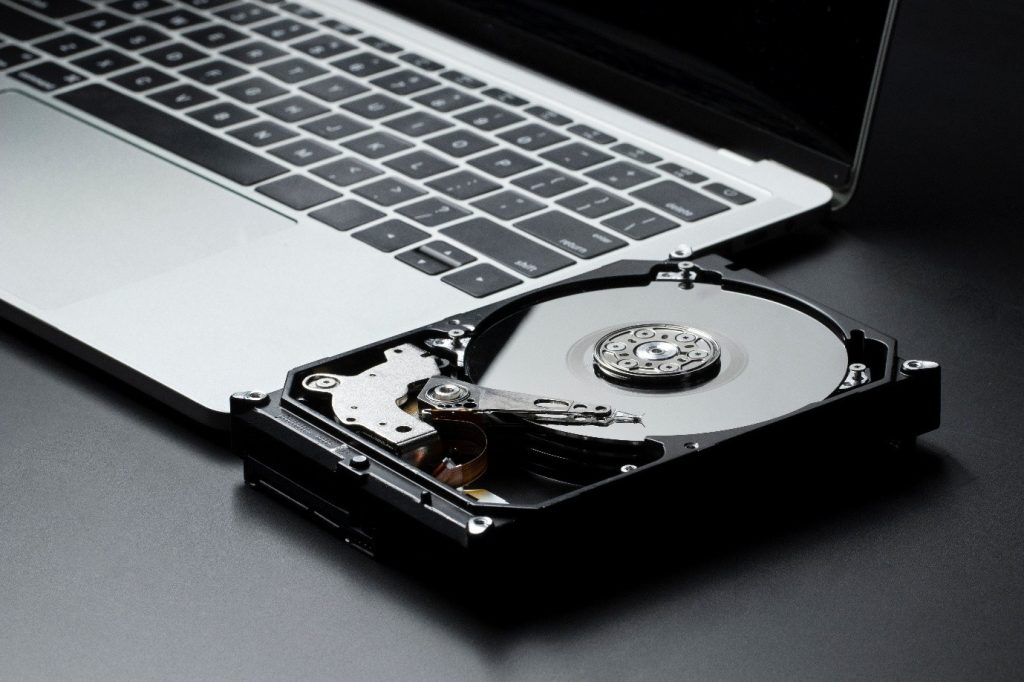
Data recovery is the process of retrieving inaccessible, corrupted, deleted, or damaged data from storage devices such as hard drives, SSDs, RAID systems, servers, and USB media. In SME terms, that could mean recovering accounts files before payroll runs, restoring customer records after server failure, or retrieving project documents from a damaged laptop used by a director or remote employee.
Many SMEs operate with limited IT resources. Some depend on outsourced support. Others rely on a single server, shared cloud folders, or ageing devices that have never been reviewed properly. That makes the impact of data loss more severe. According to the UK Government’s Cyber Security Breaches Survey 2025, 43% of UK businesses identified a cyber security breach or attack in the last 12 months. While not every incident leads to data recovery, the figure is a useful reminder that disruption is not hypothetical.
Source:
Why does data loss become critical so quickly?
For most SMEs, the issue is not just lost files. It is the knock-on effect on operations, finance, customer service, and trust.
Common triggers include:
* hard drive or SSD failure
* accidental deletion
* file system corruption
* failed updates or operating system errors
* RAID degradation
* ransomware-related disruption
* device damage caused by power events or mishandling
In practice, many businesses make things worse by repeatedly rebooting devices, running consumer recovery tools, or asking general IT support to keep experimenting. That can reduce the chance of successful recovery.
What should UK SMEs do first?
The first priority is to stop avoidable damage. If important business data is suddenly inaccessible:
1. Stop using the affected device
Continued use may overwrite recoverable data.
2. Avoid DIY recovery software unless the case is low risk
Business-critical cases need careful assessment.
3. Record what happened
Note symptoms, error messages, recent changes, and whether the issue may relate to malware or hardware failure.
4. Check backup status without altering the source device
Recovery decisions should be made with a clear view of available copies.
5. Speak to a specialist provider early
Time matters, especially where physical failure or business-critical systems are involved.
What should businesses look for in a recovery provider?
A credible specialist should offer more than generic reassurance. UK SMEs should look for:
* in-house technical capability
* secure handling of business data
* experience across drives, SSDs, RAID arrays, and servers
* clear communication on likely outcomes
* understanding of urgency in commercial environments
This is where a specialist such as R3 Data Recovery becomes relevant. For businesses facing inaccessible data, the value lies in technical depth, secure handling, and a process built around recovery rather than guesswork.
The key point is simple. Data recovery in the UK SME sector is not only about restoring files. It is about reducing downtime, protecting business value, and making sure a serious data loss incident does not become a deeper operational crisis.
FAQs
What is data recovery for UK SMEs?
Data recovery for UK SMEs is the process of retrieving inaccessible or damaged business data from devices such as hard drives, SSDs, RAID systems, and servers. It becomes important when routine IT troubleshooting cannot restore access and the missing data affects operations, finance, customer service, or compliance.
Can SMEs recover data after ransomware?
Sometimes, yes, but it depends on what has been affected. Recovery may be possible for certain storage devices or partially damaged systems, though it is not a substitute for full cyber incident response. SMEs should also consider containment, backups, legal obligations, and wider remediation steps.
When should a business contact a specialist recovery provider?
A business should contact a specialist as soon as important data becomes inaccessible and standard access methods fail. Early action can prevent further damage, especially in cases involving physical drive issues, RAID failure, corruption, or ransomware-related disruption.

ABOUT IAIN FRASER – I am a Gibraltar based, Accredited Journalist, (*NUJ, IFJ & ONA) Authority Writer, Commentator & Publisher of SMECyber and cover all aspects of Cybersecurity [Awareness, Threat Management, Best Practice Compliance & Mitigation] and report throughout Europe & the UK
LinkedIn Bio: IainFraserJournalist
Email: iain@iainfraser.net | www.iainfraser.net

What is a VPN & Does my SME Need one? A VPN is a Virtual Private Network a method of securing your communications credentials. When it comes to SMEs, the choice of VPNs can significantly impact the security and efficiency of their operations. NordVPN secures your Internet data with military-grade encryption, ensures your activity remains private and helps bypass geographic content restrictions online. Join NordVPN Today and Save up to 73% and Get 3 months Extra Free – Rude Not to …!